

If you live anywhere that gets real snow and ice, your tires are doing more work than you might think. A winter tire uses a softer rubber compound that stays flexible when the temperature drops, so it can grip the road instead of skating across it. All-season tires start to stiffen up in cold weather, and that stiffness means less bite when you need to stop or turn on a slick road.
Ice is where the difference shows up fastest. Winter tires are built with a lot of tiny slits called sipes, which open up to grab onto the surface and help clear away water and slush. If you have ever tried to stop on a thin layer of black ice, you know how much you want that extra grip. Many drivers say the first hard stop on a winter tire feels like a completely different car, and that's the moment they stop thinking of winter tires as optional.
For a quick example, the Bridgestone Blizzak IcePeak 225/65R17 106T XL Winter Tire is a good fit for a crossover or SUV that sees regular snow. It's one of the winter options in our store that's sized for a common vehicle type, so you can check the sidewall numbers on your current tires and compare them directly before you buy.
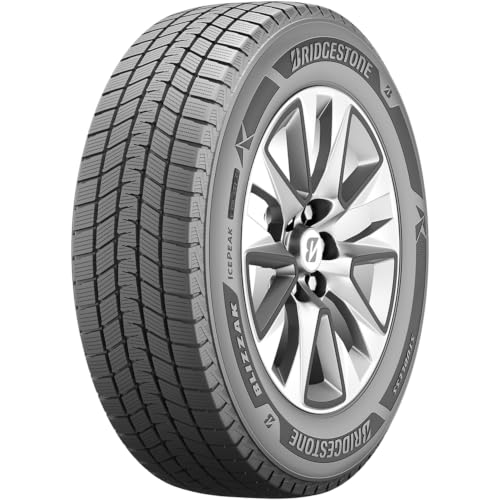
Bridgestone Blizzak IcePeak 225/65R17 106T XL
A studless winter tire for trucks and SUVs, built to grip snowy and icy roads with a black sidewall finish.
Product information
Our review: 4.5 out of 5
Product links
Keep in mind that winter tires only help if you put them on before the bad weather hits. Get them on when temperatures start to consistently drop below about 45 degrees Fahrenheit, not after the first big storm. Waiting until the roads are already icy means you're rolling the dice on the commute you need most.
What Makes a Tire Grip Well in Cold Weather
Grip on snow and ice comes down to the rubber and the tread working together. Winter tires use a softer rubber compound that stays flexible when the temperature drops. Regular all-season rubber gets stiff in the cold and slides more on a frosty road, so this is the first thing to look for when you shop.
Tread design matters just as much. Look for deep, wide grooves that push slush and snow out of the way as you roll. Lots of small slits called sipes bite into packed snow and grab the thin layer of water that forms on ice. Sipes are the little cuts you see running across the tread blocks, and more of them usually means more edges for grip.
Here are a few things to check on the tire itself before you buy:
- The three-peak mountain snowflake symbol on the sidewall. This marks a tire that passed a snow traction test, so it is a much better sign than a plain "M+S" label.
- Industry’s new Ice Grip certification for braking performance on icy roads.
- Tread depth. Winter tires lose grip fast when the tread wears down, so plan to replace them once the grooves get shallow.
- Siping density. A tire with more sipes in the tread blocks will usually feel more planted on ice.
If you want a tire that handles the cold well without a dedicated winter setup, the Bridgestone Blizzak IcePeak 225/65R17 106T XL Winter Tire is a solid pick from our store. It is built around that cold-weather rubber and tread style, so it suits drivers who see real snow and ice most winters. Our Bridgestone Blizzak IcePeak 205/60R16 96H XL Winter Tire is another option we carry if your car takes a smaller size.
One last tip: cold air lowers tire pressure, often by a noticeable amount on a chilly morning. Check your pressure with a gauge when the tires are cold, and inflate them to the level on the door sticker. Properly inflated tires grip better and wear more evenly.
Choosing the Right Winter Tire Size and Setup
Start with the size you already run. Check the sticker inside the driver's door jamb or your owner's manual, and write down the code. It usually looks like 225/65R17 106T. The first number is the tire width in millimeters, the second is the sidewall height as a percentage of width, and the R17 is the wheel diameter in inches. When you shop for Best Winter Tires for Ice and Snow, match those numbers first. A different size can rub, throw off your speedometer, or cause handling trouble.
Next, look at the letters and numbers at the end of the code. The 106 is the load index and the T is the speed rating. Your winter tire should match or beat what your current tires carry. Don't go lower. The Bridgestone Blizzak IcePeak 225/65R17 106T XL Winter Tire is listed in 225/65R17 and carries the 106T rating, so you can compare it side by side with your current label. Check that the size matches your door sticker before you buy, since some vehicles can take more than one size.
Setup matters just as much as size. Here is what most people should do:
- Buy all four tires, not just two. Mismatched grip front to back makes the car feel unpredictable on slick roads.
- Keep the same brand and model on every corner.
- Think about a second set of wheels. Swapping them each season is easier on your wallet and your back, and it keeps your all-season tires from wearing down in the cold.
- Ask the shop to check for tire pressure sensors. Many newer cars have them, and they may need to be moved to the winter wheels or reset.
- Set the pressure cold to the number on your door sticker, not the number printed on the tire sidewall.
Before you head to the shop, write down your size code, your current load index and speed rating, and whether your car has a tire pressure monitoring system. Bring that list with you. Any installer can use it to confirm the right fit and make sure the winter set goes on correctly.
Pros
- Bridgestone Blizzak IcePeak 225/65R17 106T XL Winter Tire is a solid pick when you need real grip on packed snow and sheet ice.
- The Bridgestone Blizzak IcePeak comes in several sizes, so you can match your current setup like the 205/60R16 96H XL or the 235/60R18XL 107T.
- Winter tires make the biggest difference in stopping distance and steering control when temperatures drop, so picking a dedicated set for the coldest months is worth it.
- All-weather tires like the Firestone Weathergrip 235/45R18 94V are a good fit if you want one set that handles snow season and regular driving without swapping.
- Choosing among the best winter tires for ice and snow gets easier when you check your exact size on the sidewall before you shop.
Cons
- If you pick a tire for the Best Winter Tires for Ice and Snow search, skip the all-season and all-weather options when your roads get real ice. They handle light snow fine but grip poorly on glare ice.
- Big light truck tires look tough, but they often ride stiffer and can feel harsh on the highway. They also tend to cost more to keep on the car over time.
- Wider tires with a low profile can push through deep snow less well than narrower ones. You might get stuck in a drift that a narrower tire would cut through.
- Winter tires wear down faster in warm weather, so they belong on the car only during cold months. Swapping them out twice a year means you need a place to store the other set.
- Every winter tire needs a second set of wheels if you want to switch seasons without paying for mounting and balancing each time.
How to Get Ready Before the First Snowfall
Getting ready for the first snowfall is easier than most people think, but it pays to start a few weeks early. Shops fill up fast once the first forecast shows snow, and a long wait for an install can leave you driving on summer rubber longer than you'd like. If you're shopping for Best Winter Tires for Ice and Snow, now is a good time to get your plan in place.
Start with a quick look at the tires you already have. Stick a penny in the tread groove with Lincoln's head pointing down. If you can see the top of his head, the tread is getting thin. Also check for uneven wear, cracks in the sidewalls, and bulges. The date code on the sidewall tells you the week and year the tire was made, so you can see how old the rubber is.
Here's a simple checklist to run through before you book:
- Find your tire size on the sidewall or the placard inside the driver's door.
- Decide if you want a second set of wheels. Swapping them yourself or at a shop each season can save you money over time.
- Book the install and ask if the price includes balancing and pressure setting.
- If your car has tire pressure sensors, ask the shop to check them during the swap.
If you need a passenger car option, the Bridgestone Blizzak IcePeak 205/60R16 96H XL Winter Tire is one we carry in that size. Double-check the size against your door placard before you order, since that's the number that matches your car.
Bridgestone Blizzak IcePeak 205/60R16 96H XL
A 16 inch winter radial tire built for passenger cars that need grip when the roads get icy and cold.
Product information
Our review: 4.5 out of 5
Product links
Last, check your tire pressure once the weather turns cold. Tires lose air as temperatures drop, so a set that looked fine in October may be low by the first snow. Check pressure when the tires are cold, and use the number on your door placard, not the maximum printed on the sidewall. Keep a basic gauge in the glove box so you can check it again before a long drive.


